SEO articles
Technical SEO, content and rankings, from real projects.
Google Ads articles
Search, Shopping and Performance Max campaigns that pay for themselves.
Emailing articles
Cold email, deliverability and sequences that get replies.
GEO articles
Generative engine optimization: what is proven, what is not.
-

Topic Clusters & Pillar Pages: Build Topical Authority
Read the article: Topic Clusters & Pillar Pages: Build Topical AuthorityMost websites treat content as isolated islands. One post about keywords here, another about backlinks there, no connection, no strategy. Google sees that fragmentation and does not reward it. The…
-

301 Redirects and Site Migration: How to Move Your Website Without Losing Your Rankings
Read the article: 301 Redirects and Site Migration: How to Move Your Website Without Losing Your RankingsWhat Redirects Actually Are and Why They Matter A redirect is an instruction that tells a browser and search engines to go to a different URL when someone tries to…
-

Canonical Tags & Duplicate Content: How to Avoid SEO Disasters
Read the article: Canonical Tags & Duplicate Content: How to Avoid SEO DisastersDuplicate content is one of the most persistent and misunderstood problems in technical SEO. Google Webmaster Trends Analyst Gary Illyes has stated that roughly 60 percent of the internet is…
-

Schema Markup for Beginners: How to Add Structured Data to Your Website
Read the article: Schema Markup for Beginners: How to Add Structured Data to Your WebsiteEvery day, Google processes billions of web pages. For each one, it must figure out what the page is about, what entities it mentions, and how those entities relate to…
-

Backlinks Explained: What They Are, Why They Matter, and How They Work
Read the article: Backlinks Explained: What They Are, Why They Matter, and How They WorkBacklinks (also called inbound links or external links) remain one of Google’s top three ranking signals in 2026. Yet most marketers and even some SEOs misunderstand what makes them valuable.…
-

Crawl Budget: What It Is, Why It Matters, and How to Stop Wasting It
Read the article: Crawl Budget: What It Is, Why It Matters, and How to Stop Wasting ItCrawl budget is one of those SEO concepts that generates an enormous amount of discussion, most of it unnecessary for most websites. John Mueller from Google has been direct about…
-

Site Speed Optimization: A Complete Guide to Making Your Website Fast
Read the article: Site Speed Optimization: A Complete Guide to Making Your Website FastEvery millisecond counts. Deloitte Digital’s “Milliseconds Make Millions” study, published in 2020 and still the reference cited by Google’s web.dev team, found that a 0.1-second improvement in mobile load time…
-

Core Web Vitals: What They Are, Why They Matter, and How to Fix Them
Read the article: Core Web Vitals: What They Are, Why They Matter, and How to Fix ThemYour website might have the best content in your industry, but if it takes four seconds to load, shifts around while users try to read it, and freezes for half…
-

Header Tags (H1-H6): What Google Says, What Matters, and What Doesn’t
Read the article: Header Tags (H1-H6): What Google Says, What Matters, and What Doesn’tFew SEO topics generate as much outdated advice as header tags. Use exactly one H1 per page. Your H1 must contain your primary keyword. H2s are more important than H3s.…
-

Image SEO: How to Optimize Images So Google (and Users) Can Actually Find Them
Read the article: Image SEO: How to Optimize Images So Google (and Users) Can Actually Find ThemMost websites treat images as decoration. A stock photo here, a screenshot there, maybe a logo in the header. The images get uploaded with default camera file names like IMG_4823.jpg,…
-

URL Structure for SEO: What Google Actually Cares About (and What It Doesn’t)
Read the article: URL Structure for SEO: What Google Actually Cares About (and What It Doesn’t)SEO tools love flagging URL issues. Too long. Too many slashes. Missing keyword. No hyphens. Every audit seems to surface dozens of URL “problems” highlighted in urgent red. The result…
-

Internal Linking: How to Build a Link Structure That Google Loves
Read the article: Internal Linking: How to Build a Link Structure That Google LovesIf you ask most website owners about link building, they immediately think about getting other sites to link to them. External backlinks get all the attention, all the budget, and…


-

AI Max for Search: Keywordless Search, Text Customization and URL Expansion
Read the article: AI Max for Search: Keywordless Search, Text Customization and URL ExpansionAI Max for Search is the feature Google has been pushing to almost every Search advertiser since the global rollout finished in late 2025. The pitch is simple: turn it…
-

How to Create and Set Up a Google Ads Account in 2026: Complete Guide
Read the article: How to Create and Set Up a Google Ads Account in 2026: Complete GuideSetting up a Google Ads account in 2026 is not the 20-minute exercise the platform’s onboarding wizard suggests. The interface has been rebuilt three times since 2023, Performance Max is…
-

Google Ads Account Architecture: Campaigns, Ad Groups, Naming Conventions and Labels
Read the article: Google Ads Account Architecture: Campaigns, Ad Groups, Naming Conventions and LabelsIntroduction: the foundation of sustained profitability A disorganized Google Ads account is like a kitchen without a cutting board: you see everything that needs doing, but nothing lands in its…
-

Google Ads Campaign Types: Complete Comparison and Decision Tree
Read the article: Google Ads Campaign Types: Complete Comparison and Decision TreeGoogle Ads exposes ten distinct campaign types in 2026, and the gap between picking the right one and picking the wrong one is the gap between an account that compounds…
-

Google Ads Editor: Bulk Editing, Import/Export and Multi-Account Workflows
Read the article: Google Ads Editor: Bulk Editing, Import/Export and Multi-Account WorkflowsGoogle Ads Editor is the desktop application Google ships for free, and it is the difference between an account you can manage and an account that manages you. The web…


-

You do not hunt spam traps
Read the article: You do not hunt spam trapsOne day your messages stop arriving. You investigate, and you find your IP address listed by Spamhaus. The reason is two words: spam trap. The immediate reaction is always the…
-

What M3AAWG condemns exactly in cold email
Read the article: What M3AAWG condemns exactly in cold emailIn November 2025, M3AAWG published a position on cold email. The body brings together mailbox operators, internet service providers and anti-abuse professionals: these are the people who decide whether your…
-

One hundred and fifty-four messages, 871,660 dollars
Read the article: One hundred and fifty-four messages, 871,660 dollarsAn Australian company paid 871,660 Australian dollars for one hundred and fifty-four messages. One hundred and fifty-four. Not one hundred and fifty-four thousand. It is the highest amount per message…
-

In the United States it is legal, and it costs $53,088 a message
Read the article: In the United States it is legal, and it costs $53,088 a messageIn Europe, writing to someone who asked for nothing is prohibited except by exception. In the United States, it is permitted until they tell you to stop. That difference in…
-

The cumulation of sanctions is struck down, the ban is not
Read the article: The cumulation of sanctions is struck down, the ban is notOn 25 June 2026, the French Constitutional Council declared three paragraphs of Article L.34-5 of the postal and electronic communications code unconstitutional, the very article prohibiting email marketing without prior…
-

Three years, and opening an email does not count
Read the article: Three years, and opening an email does not countA prospecting database is not an asset. It is perishable stock, and the expiry date is published. Three years. The French authority’s reference framework on managing commercial activities, adopted by…
-

Buying a list obliges you to write to people who don’t know you
Read the article: Buying a list obliges you to write to people who don’t know youYou buy a prospect list. Thirty thousand business addresses, presented as collected on an opt-in basis, delivered as a CSV, invoiced at a few thousand euros. The GDPR then imposes…
-

The customer exception does not cover account creation
Read the article: The customer exception does not cover account creationIt is the most used provision in French marketing law, and the most badly read. It is called the customer exception, or soft opt-in: an existing customer may be contacted…
-

The ePrivacy Regulation died on 6 October 2025
Read the article: The ePrivacy Regulation died on 6 October 2025Since January 2017, every European marketing manager has heard the same sentence in meetings: “anyway, the ePrivacy Regulation is going to change everything”. It will change nothing. The European Commission…
-

What the CNIL says about B2B, and what it no longer says
Read the article: What the CNIL says about B2B, and what it no longer saysA rule has circulated for twenty years in every B2B marketing course: a named address of the form firstname.lastname@company.com falls under an objection regime, a generic address of the form…
-

No email benchmark has a primary source
Read the article: No email benchmark has a primary sourceYou have seen the sentence, in a deck, an article or a sales proposal: “the industry average open rate is 21.5 percent”. Take five minutes and walk back up the…
-

The open rate died in June 2021
Read the article: The open rate died in June 2021On 7 June 2021, Apple announced Mail Privacy Protection for iOS 15, iPadOS 15, macOS Monterey and watchOS 8. The wording of the press release is unambiguous: “Mail Privacy Protection…
-
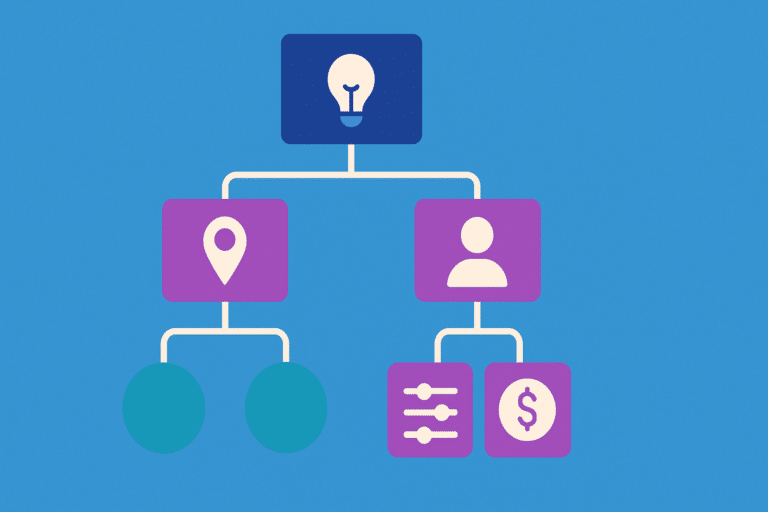
Meta Ads Not Performing? A Real Diagnostic Method
Read the article: Meta Ads Not Performing? A Real Diagnostic MethodYour Meta ads are not performing and you have no idea why. So you do what everyone does. You change the audience. Then you change the budget. Then you pause…
-
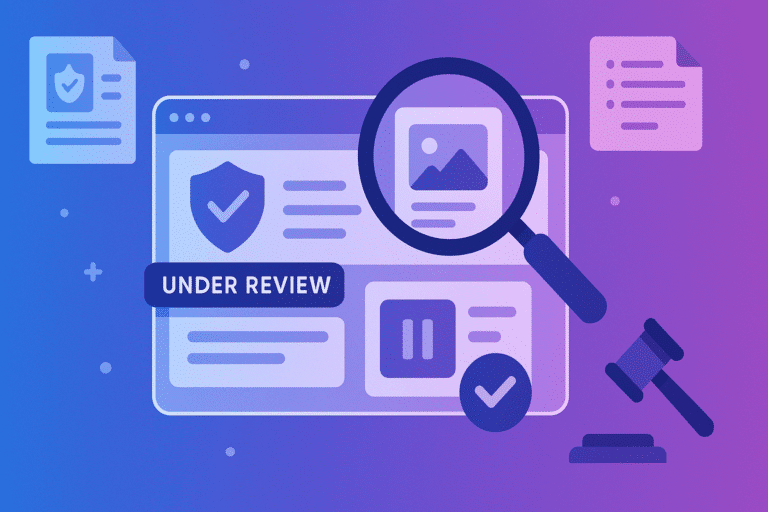
Meta Ad Policies and Account Bans: Avoid and Recover
Read the article: Meta Ad Policies and Account Bans: Avoid and RecoverFew emails ruin a morning faster than «Your ad account has been disabled». One moment your campaigns are spending, the next your access is gone and the dashboard shows a…
-
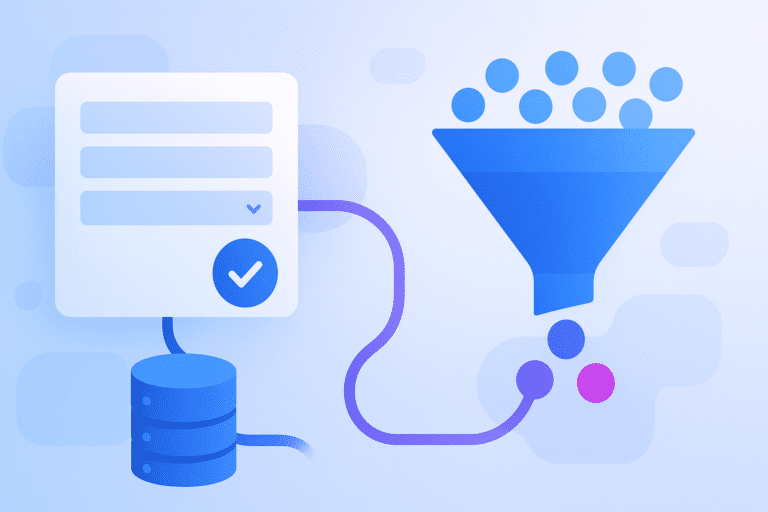
Meta Lead Generation for B2B: The Honest Guide
Read the article: Meta Lead Generation for B2B: The Honest GuideThere is a persistent story in B2B marketing that Facebook and Instagram are where you sell shoes and supplements, not enterprise software or industrial equipment. The story is wrong, and…
-

Advantage+ Shopping (ASC): The E-commerce Guide
Read the article: Advantage+ Shopping (ASC): The E-commerce GuideAdvantage+ Shopping Campaigns, ASC for short, stopped being an experiment a long time ago. On Meta s Q4 2024 earnings call, CFO Susan Li said the product had passed a…
-

Scaling Meta Ads Without Breaking Performance
Read the article: Scaling Meta Ads Without Breaking PerformanceYou found a campaign that works. The cost per result is where you want it, the return holds, and the obvious next move is to pour more money in. Then…
-

Meta Learning Phase: How It Really Works
Read the article: Meta Learning Phase: How It Really WorksThe learning phase is the most misunderstood mechanic in Meta advertising, and that misunderstanding costs real money. Half of what circulates about it on forums and agency blogs is folklore:…
-

Meta Bid Strategies: Lowest Cost vs Cost Cap vs ROAS
Read the article: Meta Bid Strategies: Lowest Cost vs Cost Cap vs ROASMost advertisers pick a bid strategy the way they pick a Netflix show: by guessing, then second guessing. The folklore around Meta bidding is thick and mostly wrong. Bid cap…
-
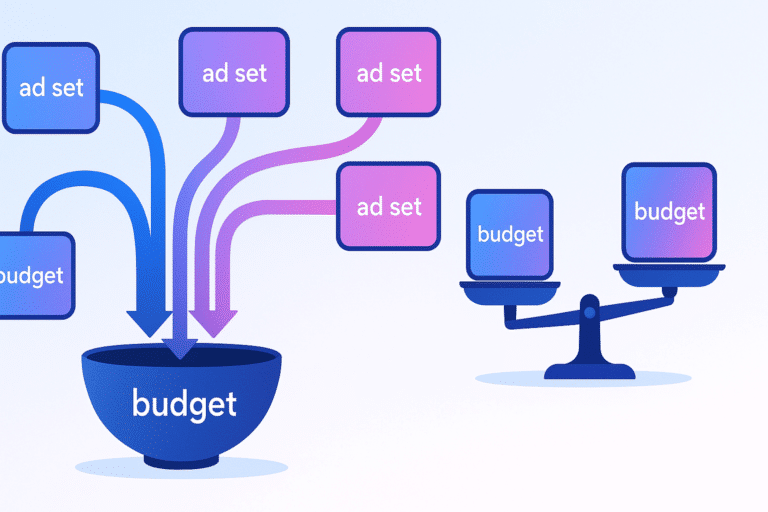
CBO vs ABO on Meta: Which Budget Wins
Read the article: CBO vs ABO on Meta: Which Budget WinsOpen any Meta ads forum and you will read the same verdict, repeated like a law of physics: CBO is better, ABO is dead, let the algorithm decide. That verdict…
-

Meta Ad Copywriting: What Actually Converts
Read the article: Meta Ad Copywriting: What Actually ConvertsMost advice about Meta ad copy is recycled folklore. People repeat that short copy always wins, that nobody reads, that the algorithm now writes everything for you. None of it…
-

Meta Creative Testing: Find Winning Ads
Read the article: Meta Creative Testing: Find Winning AdsCreative is now the lever that decides whether you win or lose on Meta. The targeting moved into the machine, the auction sorts itself out, and what is left in…
-

UGC for Meta Ads: Why It Works and How to Produce It
Read the article: UGC for Meta Ads: Why It Works and How to Produce ItUser-generated content has become the default creative format for performance advertisers on Meta, and for good reason. Ads that look like a real person filmed them on a phone consistently…
-

Meta Ad Formats: Which One, When, and Why
Read the article: Meta Ad Formats: Which One, When, and WhyMost advertisers pick a Meta ad format out of habit, not strategy. They run single images because they always have, or they chase Reels because someone said video is the…


-

GEO: the five studies that could prove us wrong
Read the article: GEO: the five studies that could prove us wrongWe argue that most of what the market calls GEO is unproven. Here are the five strongest published works that say the opposite, and the conditions that would change our…
-

Test GEO on your own site in 30 days: our protocol
Read the article: Test GEO on your own site in 30 days: our protocolNobody can tell you whether GEO works in the abstract. You can measure it on your own site, in thirty days, with a control group and repeated measurements.
-

What GEO really costs, and what we refuse to sell
Read the article: What GEO really costs, and what we refuse to sell55 percent of marketers now have a GEO budget line. Not one practitioner surveyed disclosed an amount. Here are our prices, and the list of what we refuse to bill…
-

Are the publisher apocalypse numbers honest?
Read the article: Are the publisher apocalypse numbers honest?Minus 58 percent, minus 70 percent, or minus 10 percent? Each camp measures a different thing and uses the same word. How to read the numbers on traffic decline.
-

Sixteen percent of the sources AI cites are themselves written by AI
Read the article: Sixteen percent of the sources AI cites are themselves written by AIAn audit of 712 real queries across four engines measures that roughly one cited source in six is generated content. GEO mechanically rewards what degrades the corpus.
-

Manipulating AI answers: what works in the lab, what holds up in production
Read the article: Manipulating AI answers: what works in the lab, what holds up in productionInjection attacks work on isolated systems. In production, a testbed of 1,000 black-hat sites measures 99.78 percent neutralization. The real weakness is somewhere else entirely.
-

The sources AI prefers are not yours
Read the article: The sources AI prefers are not yoursGenerative engines systematically favor third-party sources over the content you publish on your own site. Your GEO budget is therefore aimed at the wrong place.
-

Global brands 73 percent, niche brands 11 percent: GEO democratizes nothing
Read the article: Global brands 73 percent, niche brands 11 percent: GEO democratizes nothingAcross 100,000 answers and 100 brands, three visibility tiers appear from the very first query. A small player does not start at zero. It starts at 11 percent.
-

Position bias: your content is not losing on substance, it is losing in the middle
Read the article: Position bias: your content is not losing on substance, it is losing in the middleA model's performance on a piece of information follows a U-shaped curve depending on where it sits in the context. Part of generative visibility is a placement artifact.
-

Your GEO tracking tool is measuring noise
Read the article: Your GEO tracking tool is measuring noiseVisibility in generative search is a distribution, not a point. A single measurement, which is exactly what your monthly report contains, demonstrates nothing.
-

30.6 percent of AI citations misrepresent their source: the real risk is not absence, it is error
Read the article: 30.6 percent of AI citations misrepresent their source: the real risk is not absence, it is error761,495 citation pairs analyzed: close to a third misrepresent the source they point at. What that means when the misrepresented source is you.
-

The GEO market is booming, usage is flat: the gap nobody looks at
Read the article: The GEO market is booming, usage is flat: the gap nobody looks atThe Reuters Institute measures zero growth in chatbot use for news across the United States, the United Kingdom, France and Germany, while 55 percent of marketers open a GEO budget…


