SEO articles
Technical SEO, content and rankings, from real projects.
Google Ads articles
Search, Shopping and Performance Max campaigns that pay for themselves.
Emailing articles
Cold email, deliverability and sequences that get replies.
GEO articles
Generative engine optimization: what is proven, what is not.
-

Topic Clusters & Pillar Pages: Build Topical Authority
Read the article: Topic Clusters & Pillar Pages: Build Topical AuthorityA pillar of 2,500 to 4,000 words, eight to twelve focused spokes, and contextual links both ways. Why the interlinking decides whether the model pays off.
-

301 Redirects and Site Migration: How to Move Your Website Without Losing Your Rankings
Read the article: 301 Redirects and Site Migration: How to Move Your Website Without Losing Your RankingsWhich redirects Google treats as permanent, why they should stay live for at least a year, and how to move a site without losing its ranking value.
-

Canonical Tags & Duplicate Content: How to Avoid SEO Disasters
Read the article: Canonical Tags & Duplicate Content: How to Avoid SEO DisastersGary Illyes says roughly 60% of the web is duplicate content, mostly from URL mechanics, not plagiarism. Why it dilutes signals and how canonicals fix it.
-

Schema Markup for Beginners: How to Add Structured Data to Your Website
Read the article: Schema Markup for Beginners: How to Add Structured Data to Your WebsiteStructured data is not a direct ranking factor, as Google has confirmed, but it unlocks rich results that earn more clicks. How to add Schema.org markup.
-

Backlinks Explained: What They Are, Why They Matter, and How They Work
Read the article: Backlinks Explained: What They Are, Why They Matter, and How They WorkPageRank still runs behind the scenes, though Google retired its public score in 2016. How links pass authority, and why DR and DA are only proxies.
-

Crawl Budget: What It Is, Why It Matters, and How to Stop Wasting It
Read the article: Crawl Budget: What It Is, Why It Matters, and How to Stop Wasting ItCrawl budget matters above a million pages updated weekly, or 10,000 changing daily. For 99% of business sites, apparent crawl issues are quality problems.
-

Site Speed Optimization: A Complete Guide to Making Your Website Fast
Read the article: Site Speed Optimization: A Complete Guide to Making Your Website FastIn Deloitte's study, a 0.1 second gain in mobile load time lifted retail conversions by 8.4%. Speed fixes ranked by impact, starting with the server.
-

Core Web Vitals: What They Are, Why They Matter, and How to Fix Them
Read the article: Core Web Vitals: What They Are, Why They Matter, and How to Fix ThemOnly 48% of mobile pages pass all three Core Web Vitals, and LCP is the hardest. What each metric measures, Google's thresholds, and the usual culprits.
-

Header Tags (H1-H6): What Google Says, What Matters, and What Doesn’t
Read the article: Header Tags (H1-H6): What Google Says, What Matters, and What Doesn’tMultiple H1 tags are fine and heading order does not affect rankings, say Mueller and Illyes. What headings actually do for Google, and which rules to ignore.
-

Image SEO: How to Optimize Images So Google (and Users) Can Actually Find Them
Read the article: Image SEO: How to Optimize Images So Google (and Users) Can Actually Find ThemGoogle reads images through file names, alt text, page context and structured data. A walkthrough of each signal, based on Google's own documentation.
-

URL Structure for SEO: What Google Actually Cares About (and What It Doesn’t)
Read the article: URL Structure for SEO: What Google Actually Cares About (and What It Doesn’t)John Mueller says URL length does not matter and calls keywords in URLs a very small, overrated signal. What that means for new and existing sites.
-

Internal Linking: How to Build a Link Structure That Google Loves
Read the article: Internal Linking: How to Build a Link Structure That Google LovesIn our 2024 and 2025 client work, every major ranking boost came from internal structure, not new backlinks. How to spread authority and avoid orphan pages.


-

Connected TV Advertising: CTV Campaigns via YouTube and Demand Gen
Read the article: Connected TV Advertising: CTV Campaigns via YouTube and Demand GenAgencies planning YouTube on TV screens went from 23% in 2025 to 85% in 2026, and YouTube CTV campaigns average a 6% sales lift.
-

The Most Expensive Google Ads Mistakes: Diagnosis and Real Cases
Read the article: The Most Expensive Google Ads Mistakes: Diagnosis and Real CasesOne B2B account lost $8,000 of a $14,000 monthly budget to job seekers and students. Real audits show where broad match and missing negatives drain spend.
-

Google Ads Policy and Suspensions: Sensitive Categories and Appeal Process
Read the article: Google Ads Policy and Suspensions: Sensitive Categories and Appeal ProcessGoogle suspended 6.7 million advertiser accounts in 2025. Suspension is preventable once you know the three policy tiers, and appeals follow set steps.
-

Query Sculpting: Advanced Shopping Architecture with Priorities and Negatives
Read the article: Query Sculpting: Advanced Shopping Architecture with Priorities and NegativesDuplicate Shopping campaigns across three priorities and let negatives route each query by intent. One client tripled ROI and traffic in six weeks this way.
-

Google Ads Scripts and Automation: Essential Scripts for 2026
Read the article: Google Ads Scripts and Automation: Essential Scripts for 2026Each Google Ads account allows 250 scripts, capped at 30 minutes per run. The scripts worth running in 2026, starting with anomaly detection.
-

Google Ads A/B Testing: Variations, Experiments and Campaign Mix
Read the article: Google Ads A/B Testing: Variations, Experiments and Campaign MixCustom experiments test one change; Campaign Mix Experiments, from January 2026, test budget splits across campaign types. How to read significance.
-

Call Tracking and Migration to Call Assets: 2026 Guide
Read the article: Call Tracking and Migration to Call Assets: 2026 GuideCall-only ads stop serving in February 2027, and early movers to call assets report 7% more conversions at similar cost. How to migrate without losing calls.
-

Advanced Google Ads Reporting: Custom Columns, Dashboards and Looker Studio
Read the article: Advanced Google Ads Reporting: Custom Columns, Dashboards and Looker StudioCustom columns now accept spreadsheet functions such as IF and ROUND. How to build them, reuse them in dashboards and extend reports with Looker Studio.
-
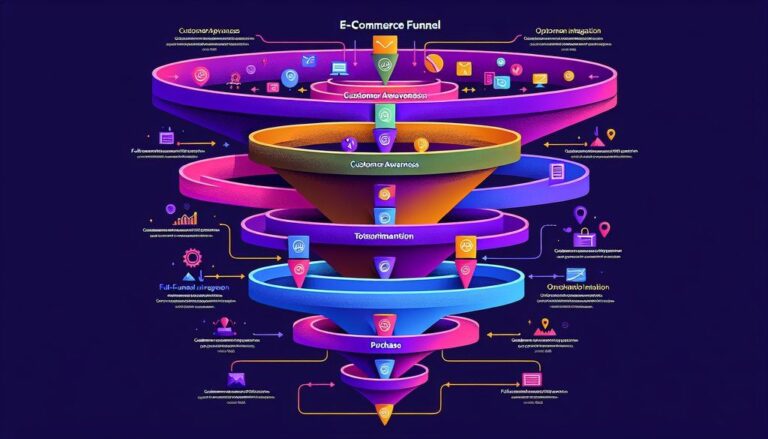
Google Ads for E-commerce: Full Funnel Strategy
Read the article: Google Ads for E-commerce: Full Funnel StrategySiloed e-commerce accounts lose 14% to 31% of ROAS against full funnel ones. A budget split by funnel stage, with a worked swimwear brand example.
-

Google Ads for B2B and Lead Generation: Forms, CRM and Long Sales Cycles
Read the article: Google Ads for B2B and Lead Generation: Forms, CRM and Long Sales CyclesGoogle Ads leads cost $70.11 on average, against $84 across channels. How to build lead forms, connect your CRM and measure sales cycles that last months.
-

Google Ad Grants: $10,000/Month in Free Advertising for Nonprofits
Read the article: Google Ad Grants: $10,000/Month in Free Advertising for NonprofitsQualifying nonprofits receive about $329 a day in search ad credits, not cash. Approval hinges on Goodstack validation, GA4 and a substantive website.
-

Google Tag Manager for Google Ads: Complete Setup and Server-Side Tagging
Read the article: Google Tag Manager for Google Ads: Complete Setup and Server-Side TaggingServer-side tagging recovers 10% to 25% more conversions lost to ad blockers and browser limits. How to set up GTM for Google Ads, then move tags to a server.


-

MTA-STS does not protect what you send
Read the article: MTA-STS does not protect what you sendMTA-STS protects the mail sent to you, not the mail you send. It needs a DNS record and a policy file, and only enforce mode makes senders require TLS.
-

In May the IETF wrote that nobody uses ARC
Read the article: In May the IETF wrote that nobody uses ARCARC was meant to rescue authentication through mailing lists, yet RFC 8617 is still experimental. RFC 9989 devotes one paragraph to it, a verdict of failure.
-

Your logo does not depend on you
Read the article: Your logo does not depend on youBIMI is still an IETF draft, a trademark for a VMC takes 6 to 12 months, and Yahoo shows logos without one. The display decision stays with each provider.
-

BIMI requires a setting the standard deleted
Read the article: BIMI requires a setting the standard deletedRFC 9989 removed the DMARC pct tag in May 2026, yet BIMI and Google still require pct=100. Omitting pct satisfies both, since its default was 100.
-

Google is retiring the indicator everyone watches
Read the article: Google is retiring the indicator everyone watchesPostmaster Tools v2 drops the domain and IP reputation dashboards, which Google calls slow and misleading. The spam rate stays; the v1 API must be migrated.
-
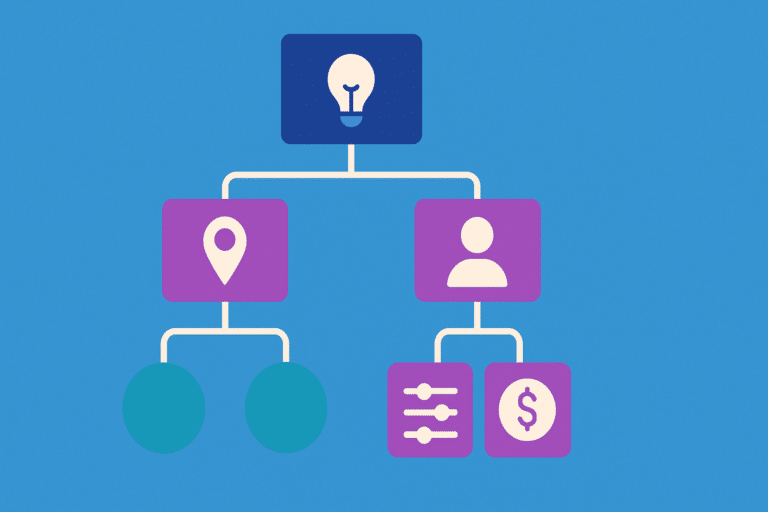
Meta Ads Not Performing? A Real Diagnostic Method
Read the article: Meta Ads Not Performing? A Real Diagnostic MethodMost underperformance has one dominant cause, found by checking four gates in order: the click, the landing page, tracking, then signal volume.
-

Meta Ad Policies and Account Bans: Avoid and Recover
Read the article: Meta Ad Policies and Account Bans: Avoid and RecoverMost Meta bans are really restrictions, and many are reversed on appeal, but not after 180 days. A calm, documented review request gives you the best odds.
-

Meta Lead Generation for B2B: The Honest Guide
Read the article: Meta Lead Generation for B2B: The Honest GuideFacebook clicks average about $0.62 versus $5.39 on LinkedIn. B2B buyers are on Meta; the job is capturing intent, qualifying leads and tying them to revenue.
-

Advantage+ Shopping (ASC): The E-commerce Guide
Read the article: Advantage+ Shopping (ASC): The E-commerce GuideAdvantage+ Shopping passed a 20 billion dollar annual run rate in Q4 2024. It leans hard on your catalog and creative volume, and it does not always win.
-

Scaling Meta Ads Without Breaking Performance
Read the article: Scaling Meta Ads Without Breaking PerformanceScaling on Meta is about pace and structure, not a bigger budget. Vertical and horizontal scaling each fit a case, and each must protect the learning phase.
-

Meta Learning Phase: How It Really Works
Read the article: Meta Learning Phase: How It Really WorksCost per result can run two to three times above target while Meta explores, so day two tells you almost nothing. Panic edits only reset the clock.
-

Meta Bid Strategies: Lowest Cost vs Cost Cap vs ROAS
Read the article: Meta Bid Strategies: Lowest Cost vs Cost Cap vs ROASMeta's auction rewards total value, not the highest bid, so the default strategy is usually right. Cost cap, bid cap and ROAS goals solve specific problems.
-
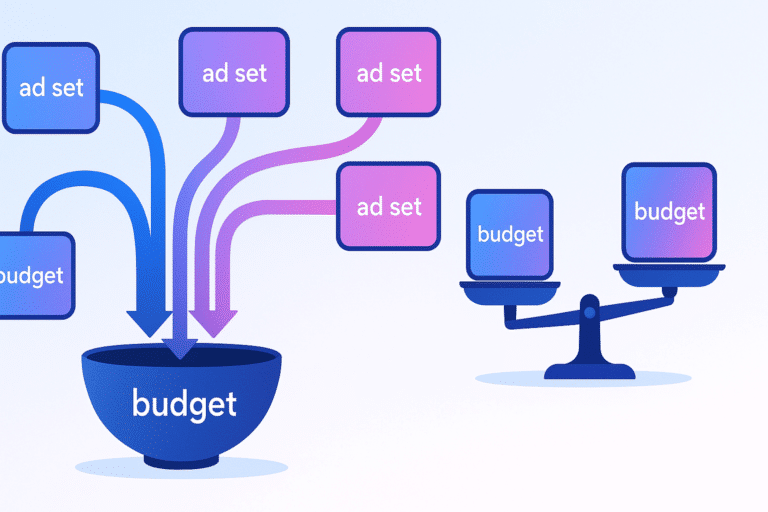
CBO vs ABO on Meta: Which Budget Wins
Read the article: CBO vs ABO on Meta: Which Budget WinsCBO and ABO are not a ranking but two places to put a budget. Below about fifty events per ad set in seven days, CBO simply guesses with your whole…
-

Meta Ad Copywriting: What Actually Converts
Read the article: Meta Ad Copywriting: What Actually ConvertsMeta recommends about 125 characters of primary text and 40 for the headline, but short copy does not always win. Length should follow audience temperature.
-

Meta Creative Testing: Find Winning Ads
Read the article: Meta Creative Testing: Find Winning AdsSingle-variable tests need about fifty conversions per cell, so six variants need three hundred. Creative testing on Meta is a hunt for outliers instead.
-

UGC for Meta Ads: Why It Works and How to Produce It
Read the article: UGC for Meta Ads: Why It Works and How to Produce ItEmplifi measured a 10.38x higher conversion rate for social posts with UGC in Q3 2025. Creator content still costs money, needs a real brief and can lose.
-

Meta Ad Formats: Which One, When, and Why
Read the article: Meta Ad Formats: Which One, When, and WhyReels reached 26 percent of Instagram ad impressions in Q3 2025, so design in 9:16 first. Video does not always beat image, and the carousel is not dead.


-

GEO: the five studies that could prove us wrong
Read the article: GEO: the five studies that could prove us wrongWe argue that most of what the market calls GEO is unproven. Here are the five strongest published works that say the opposite, and the conditions that would change our…
-

Test GEO on your own site in 30 days: our protocol
Read the article: Test GEO on your own site in 30 days: our protocolNobody can tell you whether GEO works in the abstract. You can measure it on your own site, in thirty days, with a control group and repeated measurements.
-

What GEO really costs, and what we refuse to sell
Read the article: What GEO really costs, and what we refuse to sell55 percent of marketers now have a GEO budget line. Not one practitioner surveyed disclosed an amount. Here are our prices, and the list of what we refuse to bill…
-

Are the publisher apocalypse numbers honest?
Read the article: Are the publisher apocalypse numbers honest?Minus 58 percent, minus 70 percent, or minus 10 percent? Each camp measures a different thing and uses the same word. How to read the numbers on traffic decline.
-

Sixteen percent of the sources AI cites are themselves written by AI
Read the article: Sixteen percent of the sources AI cites are themselves written by AIAn audit of 712 real queries across four engines measures that roughly one cited source in six is generated content. GEO mechanically rewards what degrades the corpus.
-

Manipulating AI answers: what works in the lab, what holds up in production
Read the article: Manipulating AI answers: what works in the lab, what holds up in productionInjection attacks work on isolated systems. In production, a testbed of 1,000 black-hat sites measures 99.78 percent neutralization. The real weakness is somewhere else entirely.
-

The sources AI prefers are not yours
Read the article: The sources AI prefers are not yoursGenerative engines systematically favor third-party sources over the content you publish on your own site. Your GEO budget is therefore aimed at the wrong place.
-

Global brands 73 percent, niche brands 11 percent: GEO democratizes nothing
Read the article: Global brands 73 percent, niche brands 11 percent: GEO democratizes nothingAcross 100,000 answers and 100 brands, three visibility tiers appear from the very first query. A small player does not start at zero. It starts at 11 percent.
-

Position bias: your content is not losing on substance, it is losing in the middle
Read the article: Position bias: your content is not losing on substance, it is losing in the middleA model's performance on a piece of information follows a U-shaped curve depending on where it sits in the context. Part of generative visibility is a placement artifact.
-

Your GEO tracking tool is measuring noise
Read the article: Your GEO tracking tool is measuring noiseVisibility in generative search is a distribution, not a point. A single measurement, which is exactly what your monthly report contains, demonstrates nothing.
-

30.6 percent of AI citations misrepresent their source: the real risk is not absence, it is error
Read the article: 30.6 percent of AI citations misrepresent their source: the real risk is not absence, it is error761,495 citation pairs analyzed: close to a third misrepresent the source they point at. What that means when the misrepresented source is you.
-

The GEO market is booming, usage is flat: the gap nobody looks at
Read the article: The GEO market is booming, usage is flat: the gap nobody looks atThe Reuters Institute measures zero growth in chatbot use for news across the United States, the United Kingdom, France and Germany, while 55 percent of marketers open a GEO budget…


